
Never mind price . . . can we get our hands on the feedstock?
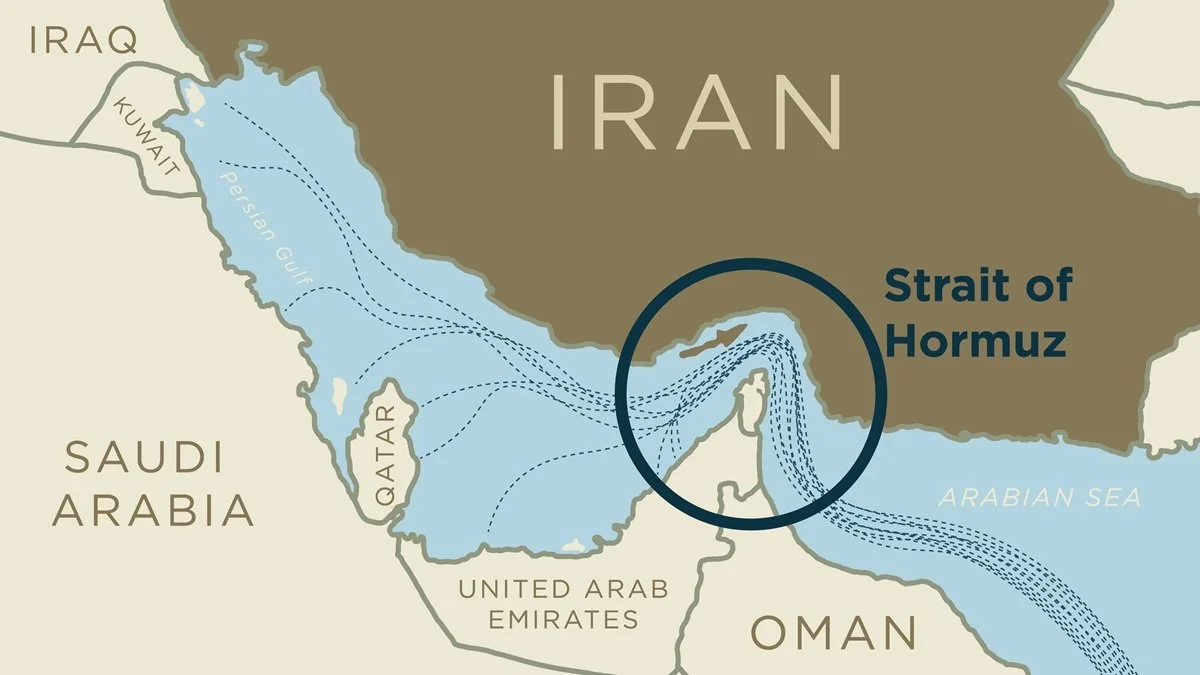
Iran has blockaded shipping traffic in the Strait of Hormuz, which is the main artery for about 20% of the world’s daily oil supply.
BOSS remains committed to our loyal customer base as Iranian conflict causes shortage of raw materials, escalating cost of supply
CALGARY, Canada (April 9, 2026)—The political conflict in Iran has caused a shortage of Group III synthetic base oils, surging feedstock costs and a steep rise in shipping expenses.
It’s no longer a game of finding the best price. It’s actually finding the product.
On Wednesday, only eight hours after a declared ceasefire in the U.S. and Israeli geopolitical conflict with Iran opened the Strait of Hormuz, Iran said it had again halted shipping traffic in the Strait due to Israeli strikes against Lebanon.
Confusion reigns, and more than 400 oil- and fuel-carrying tankers remain blockaded in the Strait—the main artery for about 20% of the world’s daily oil supply.
“Just like consumers are seeing a spike in gas prices at the pumps, the lubricant industry is now seeing significant shortages of the raw materials we need to create the products that carry the BOSS name,” says Jarrett Flegel, President and Chief Operating Officer (COO) of BOSS Lubricants.
“Like many suppliers—and, frankly, many countries—affected by this conflict, we have been relying on our own storage capacity to weather this economic storm,” he adds.
“But after five weeks, we’re now seeing serious price hikes from our own suppliers, and that can’t help but affect the cost of the oils and lubricants that we manufacture and distribute.”
While the U.S. has released 172 million barrels of oil from strategic petroleum reserves to offset the demand and surge in prices for crude and fuel, several troubling factors arising from tightening supply will affect both the short- and long-term price of feedstock.
Damage to Persian Gulf energy infrastructure has been widespread, and includes:
a drone attack on a Saudi Arabian Aramco refinery that has caused a shortage of 550,000 barrels a day
a force majeure at Bahrain’s BAPCO refinery, with the facility listed as a potential missile target
drone attacks at an ADNOC refinery in Abu Dhabi that have shut down production
The conflict in the Persian Gulf also has created, and will continue to create, a ripple effect.
Any restored ceasefire will be tenuous. Iran had already begun imposing massive tolls on shipping traffic during the brief ceasefire. Countries will need to restore strategic oil reserves, and will likely want to hold bigger buffers in the future. And big producers are expected to pause on a return to full production for months until they are confident of a return to peace.
Closer to home, a fire at the Valero Refinery in Port Arthur, Texas, has caused a strain in supply; Chevron has threatened to close its Richmond, Calif., refinery due to overregulation; and a Phillips 66 fuel refinery shutdown in Los Angeles has affected fuel availability and created a fragile supply situation at gas pumps across the western U.S.
“We are absolutely committed to our customer base,” says Flegel, “and we’re committed to fighting price escalations to the very best of our ability.”